

Alcohol poisoning: Symptoms, treatment, and causes
- আপডেটের সময় : বুধবার, ২০ ডিসেম্বর, ২০২৩
- ৯১ দেখা হয়েছে
They’ll have a BAC of 0.09 to 0.25 percent. A person can usually tell when they are intoxicated, but it may be challenging to spot the signs in others. Ethanol also increases levels of adenosine, an inhibitory neurotransmitter that promotes sleep. In every U.S. state, it is illegal to drive with a BAC of over 0.08%.
R: Remain with the person until help arrives. Link
It’s a moderate disorder if you’ve had four to five. If you’ve had six or more, that’s severe. Learn more about the physical signs of alcoholism. When someone experiences alcohol poisoning, their body has experienced significant slowing of the body’s functions, including vital functions like breathing and consciousness.
- If you’re not sure what stage a friend is at, call 911.
- It’s not necessary to have all the above symptoms before seeking medical help.
- This keeps any leftover alcohol from getting into your bloodstream.
- Examples of these medications include sleep aids, such as zolpidem and eszopiclone, and benzodiazepines, such as diazepam and alprazolam.
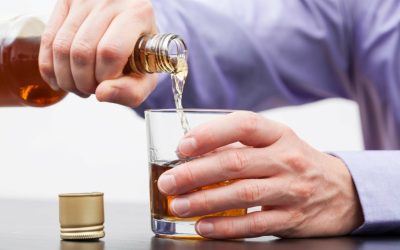
- If you drink too much alcohol too quickly, it can be life-threatening.
Whether Marijuana Is an Immediate Precursor of a Substance Already Controlled Under the CSA
In severe cases where kidneys fail, dialysis may be started to support blood filtration. If you suspect someone is experiencing an alcohol overdose, you Sober House should call 911 immediately. Do not assume that the person has passed out and will wake up on their own eventually or that the person will sleep it off.
IX. Requirements for Handling Marijuana and Other Applicable Controls
Stay with the person until help arrives. Never leave an unconscious person who might have alcohol poisoning alone. When taking care of someone who has alcohol poisoning, it is important to stay calm and remain with the person until help arrives. Here are some more detailed tips as to what you can do to help keep a person with alcohol poisoning safe until professional help arrives. If you’re worried that you might have alcohol use disorder, don’t try to quit cold turkey on your own.
Symptoms Of Alcohol Poisoning

Since self-administration is a methodology in which the test drug is typically administered intravenously to rats, it is not possible to evaluate botanical marijuana through self- administration. However, given that Δ9-THC is the primary substance that confers abuse potential to marijuana, its ability to induce self-administration can serve as https://thepaloaltodigest.com/top-5-advantages-of-staying-in-a-sober-living-house/ an indicator of the abuse potential of marijuana. The second factor that DOJ and HHS must consider under 21 U.S.C. 811(c) is the scientific evidence of marijuana’s pharmacological effects, if known. In making its recommendation, HHS considered the scientific evidence of the pharmacological effects of marijuana based on the effects of Δ9-THC.
Support links
Their blood alcohol content (BAC), which measures how much alcohol is in the bloodstream, will be very low at 0.01 to 0.05 percent. At this stage of intoxication, the person’s behavior will be normal with no visible signs of intoxication, such as slurred speech or delayed reaction time. If a person has consumed one or less drinks per hour, they’re considered to be sober, or low-level intoxicated. Drug poisoning (or drug overdose) is the most common type of poisoning in adults. It occurs when drugs are abused or taken in large amounts. CO easily enters the body through the lungs.
Over time with regular exposure to marijuana, Δ9-THC will concentrate and be retained in fat. When you have a few too many drinks, you might expect to wake up with a hangover and have nausea, a headache and extreme thirst. But you might not expect to experience these symptoms — along with flushed cheeks and a stuffy nose — after a single alcoholic beverage.

DOJ is soliciting comments on this proposal. HHS reported that up to 40 to 50 percent of individuals who use marijuana on a regular basis may experience physical dependence. A meta-analysis of 23,518 individuals who frequently used marijuana showed that 47 percent of subjects reported symptoms of marijuana withdrawal. The prevalence of physical dependence was 54 percent in outpatient samples, 17 percent in community samples, and 87 percent among inpatients in drug abuse treatment centers. This is consistent with data showing that 90 percent of individuals who were diagnosed with CUD also reported physical dependence.








Leave a Reply